Facade Services
A well-executed facade does more than define how a building looks. It protects the structure, improves energy efficiency, and extends the lifespan of the entire property. Our facade services focus on long-term performance, not short-term fixes, ensuring your building remains durable, clean, and structurally sound for years.
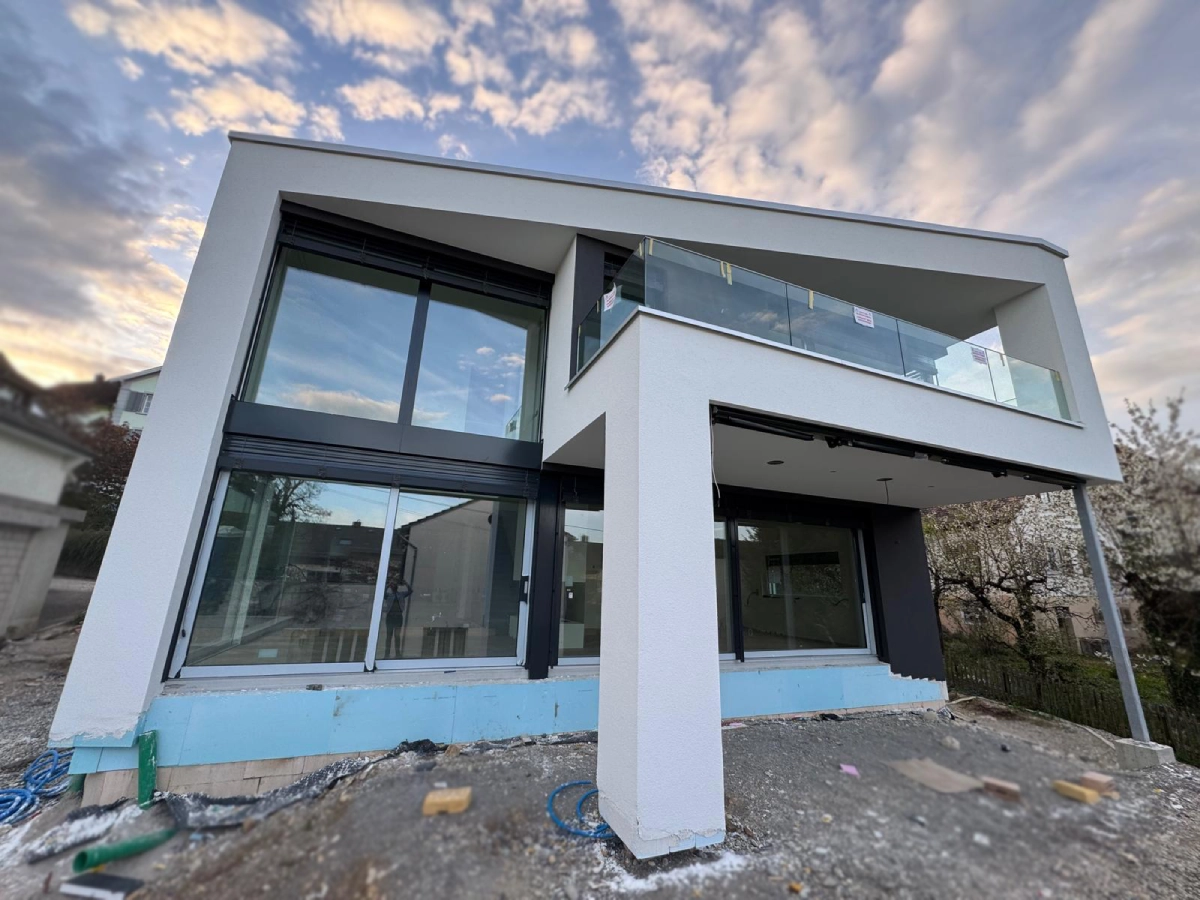
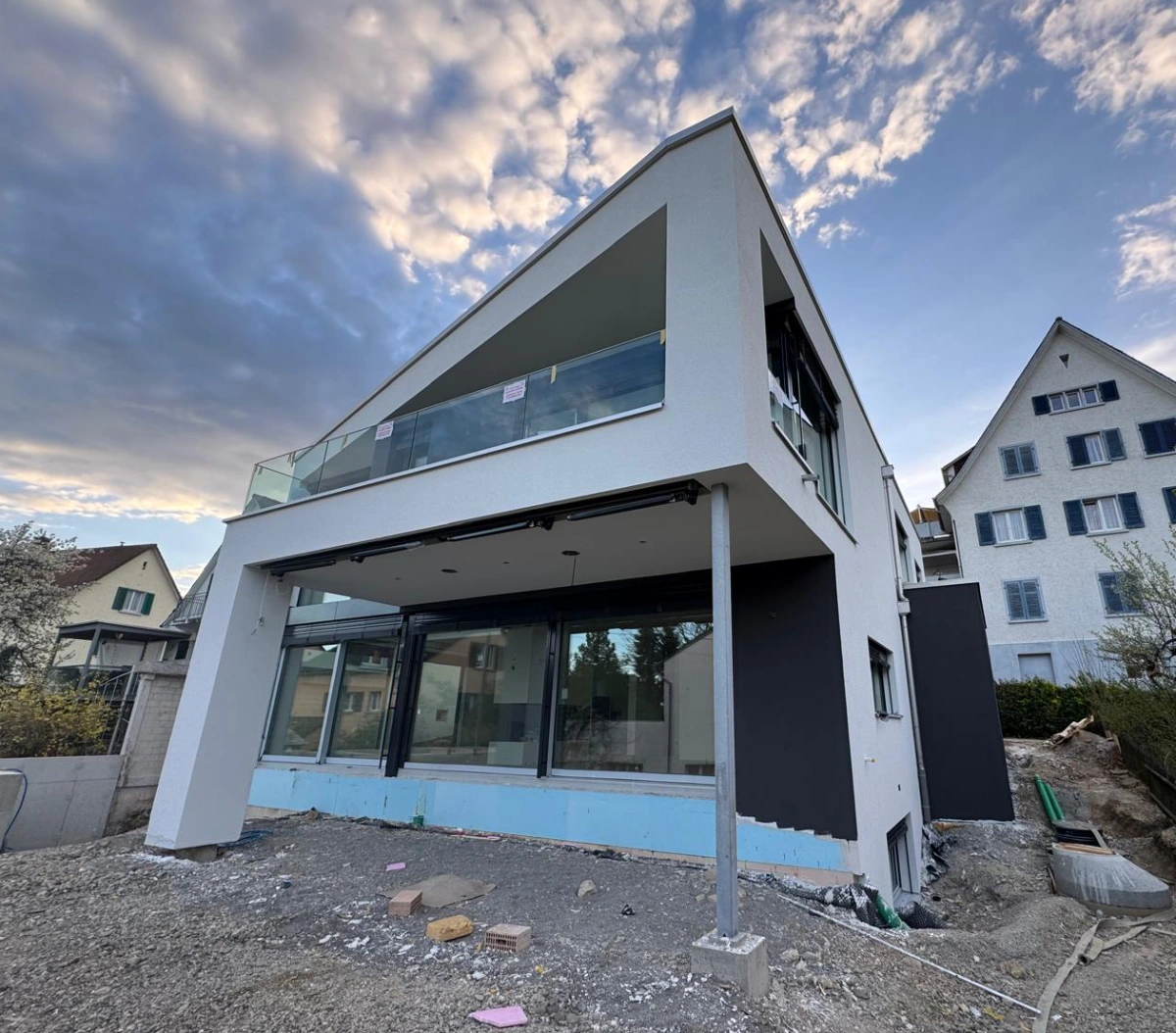
KEY SERVICES
Project Modules for Facade Services
Each project starts with a detailed assessment of the current condition. Cracks, moisture issues, worn coatings, and structural weaknesses are identified early, allowing the work to address the root cause rather than just the visible damage.
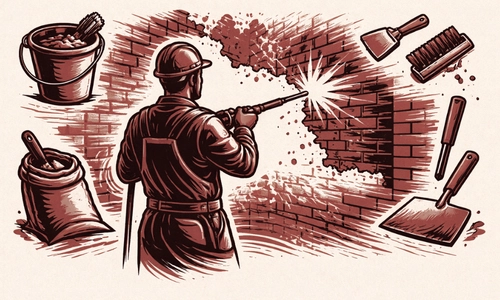
Surface Preparation & Cleaning
All surfaces are thoroughly cleaned and prepared to remove dust, old coatings, and contaminants, ensuring a strong and reliable base for all subsequent work.
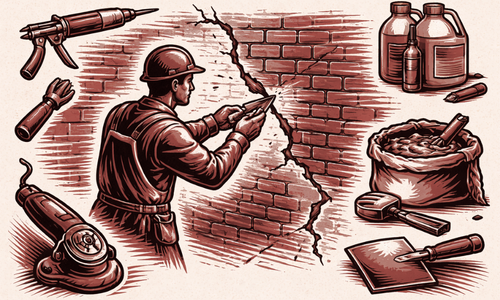
Crack Repair & Structural Corrections
Damaged areas are carefully repaired and reinforced to restore structural stability and prevent further deterioration over time.
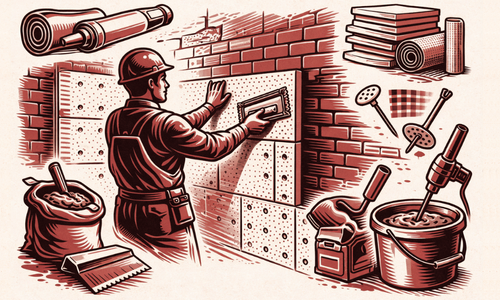
Thermal Insulation Systems (ETICS)
High-performance external insulation systems are installed to improve energy efficiency, regulate indoor temperatures, and protect the building envelope.
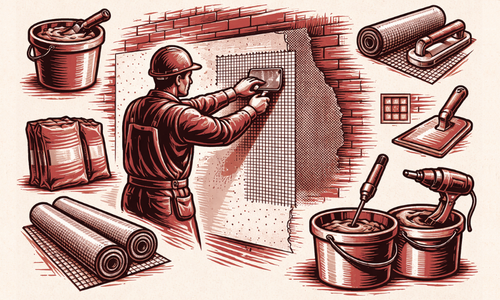
Base Coats & Reinforcement Layers
Durable base coats combined with reinforcement mesh create a stable, impact-resistant layer that supports long-lasting facade performance.
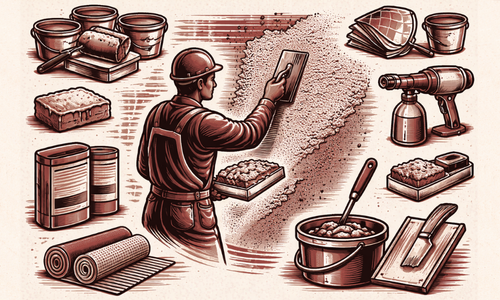
Decorative & Protective Finishes
Final finishes are applied to achieve the desired appearance while providing resistance against weather, UV exposure, and environmental damage.
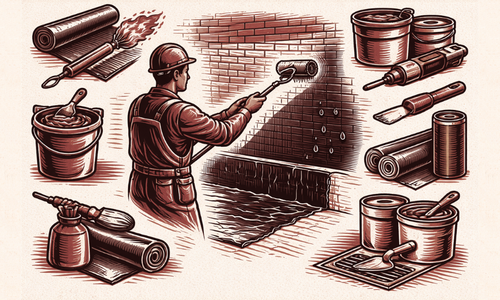
Waterproofing & Moisture Protection
Specialized waterproofing solutions are used to prevent water penetration, reducing the risk of mold, damage, and long-term structural issues.
Why Choose us?
By choosing Zeko Fassadenbau, you are choosing reliable timelines, clean workmanship, and results that protect and enhance the value of their property.

Process you can Trust
A structured workflow keeps the project efficient and predictable:
• Inspection and evaluation of the facade
• Recommendation of the most suitable solution
• Preparation and repair work
• Installation of insulation and base layers
• Final finishing and protection
Clear communication is maintained throughout every stage.
Residential & Commercial Buildings
Different buildings require different approaches. A family home and a commercial facility do not face the same conditions or usage patterns.
Facade services are adapted for:
• Private houses and residential buildings
• Apartment complexes
• Commercial and office buildings
• Industrial facilities

Materials that withstand Time
Material selection directly impacts how long the facade will last. Low-quality products may look acceptable initially but degrade quickly under weather conditions.
Only reliable, tested materials are used for:
• Adhesives and reinforcement layers
• Insulation boards
• Finishing renders and coatings
This ensures resistance to UV exposure, rain, temperature changes, and pollution.

Attention to Detail
Facade work requires consistency across large surfaces. Even small imperfections can become highly visible.
Careful application techniques ensure:
• Uniform texture and color
• Clean edges and transitions
• Proper bonding between layers
• Long-term resistance to cracking and peeling
The focus remains on achieving a result that looks precise up close and consistent from a distance.
Request a Quote
Send us a message NOW and get FREE consultation regarding your project. Fill out the form and get a quotation for your project based on space, surfaces, and expectations.
Frequently Asked Questions
Facade services include cleaning, repair, insulation, and finishing of a building’s exterior. They are essential for protecting the structure from weather damage, improving energy efficiency, and maintaining the overall appearance and value of the property.
Most facades require inspection every few years and more extensive renovation every 10–20 years, depending on materials, climate conditions, and the quality of previous work. Regular maintenance helps prevent costly repairs later.
Common indicators include visible cracks, peeling paint or render, moisture stains, mold growth, and increased indoor humidity. These signs often point to deeper issues that should be addressed early.
ETICS (External Thermal Insulation Composite System) is a layered insulation system applied to the exterior walls. It reduces heat loss, stabilizes indoor temperatures, and lowers energy costs while also protecting the structure.
The timeline depends on the size of the building, the condition of the existing facade, and the scope of work. Smaller residential projects may take a few days, while larger or more complex renovations can take several weeks.
Facade systems typically include insulation boards (such as EPS or mineral wool), adhesives, reinforcement mesh, base coats, and decorative finishes. The choice of materials depends on the building’s needs and environmental conditions.
Facade work is sensitive to weather. Extreme temperatures, rain, or high humidity can affect the quality of the application. Most work is scheduled during stable conditions to ensure proper curing and durability.
Yes. Properly installed insulation can significantly reduce heat loss in winter and overheating in summer, leading to lower heating and cooling expenses over time.
Moisture issues are addressed through proper surface preparation, waterproofing layers, breathable finishes, and correct insulation systems. This combination prevents water penetration while allowing the structure to release trapped moisture.
Facade renovation improves energy efficiency, reduces maintenance costs, and increases property value. It also enhances the visual appeal of the building, which is especially important for resale or commercial use.